Creative Ways To Boost Child Resilience

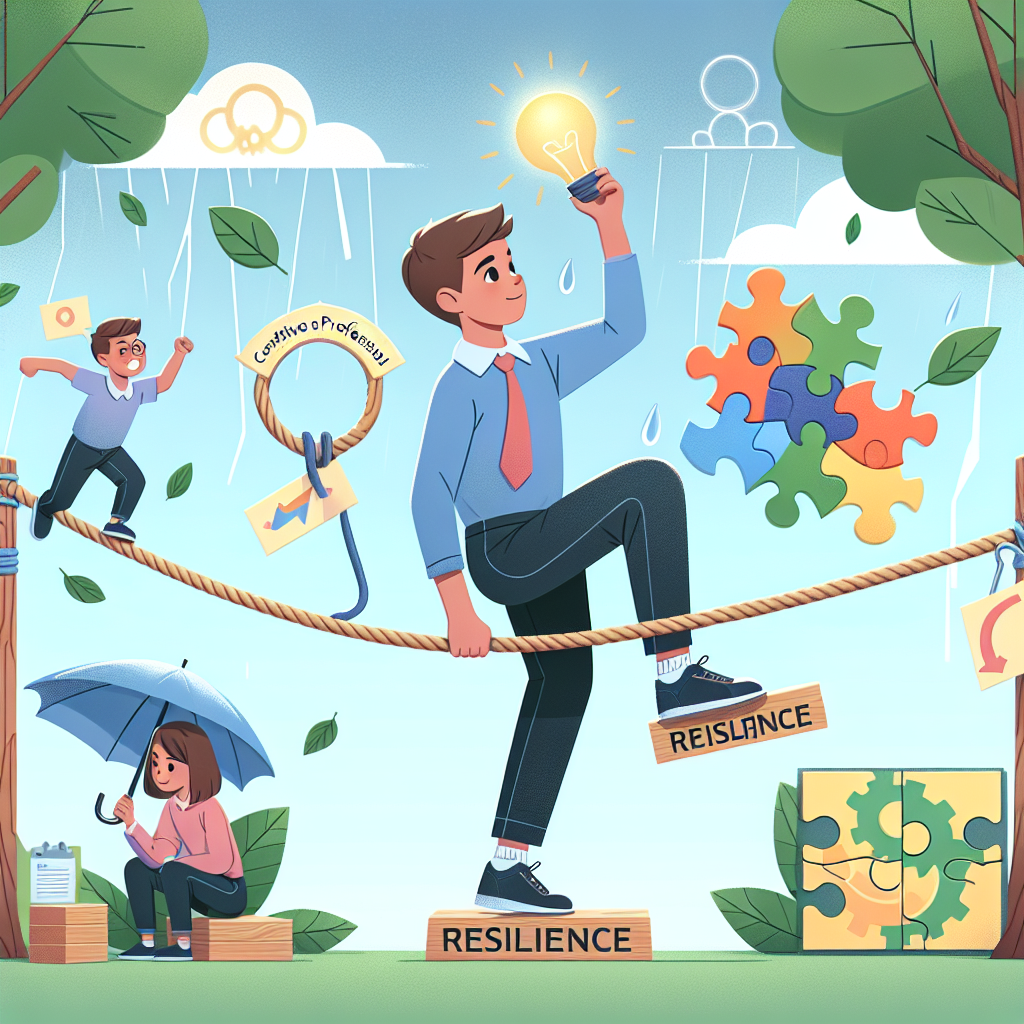
In the fast-paced world we live in today, resilience is an essential trait for children to navigate challenges confidently and emerge stronger. As parents, caregivers, or educators, fostering resilience in children is pivotal for their well-being and development. While setbacks are inevitable, equipping children with the tools to bounce back is a gift that will serve them throughout their lives.
How To Boost Child Resilience
1. Encourage Positive Thinking
Teach children to frame challenges in a positive light. Instead of focusing on failures, guide them to see obstacles as opportunities for growth and learning. Encouraging positive affirmations can help shift their mindset and build resilience.
2. Foster Problem-Solving Skills
Empower children to solve problems independently. Encourage them to think critically, brainstorm solutions, and implement them. By allowing kids to tackle challenges on their own, you help them build confidence in their capabilities.
3. Cultivate Emotional Intelligence
Emotional intelligence plays a key role in resilience. Help children understand and articulate their feelings. Teaching them how to regulate emotions and cope with stress constructively equips them to face adversity with resilience.
4. Promote a Growth Mindset
Emphasize the power of effort and perseverance over innate abilities. Instilling a growth mindset in children helps them embrace challenges as opportunities to learn and improve. Praise their efforts rather than fixed traits to foster resilience.
5. Encourage Play and Creativity
Play is not just fun; it's a powerful tool for building resilience. Encourage children to engage in imaginative play, creative activities, and games that promote problem-solving. This fosters adaptability and resilience in a joyful, non-threatening environment.
6. Build Strong Support Networks
Creating a supportive environment is crucial for boosting resilience in children. Nurture healthy relationships with family members, friends, and mentors. Feeling connected and supported provides children with a safety net during challenging times.
7. Practice Mindfulness and Relaxation Techniques
Teach children mindfulness techniques such as deep breathing, meditation, or yoga. These practices help children center themselves, manage stress, and enhance their ability to bounce back from setbacks resiliently.
8. Encourage Healthy Risk-Taking
Allow children to step out of their comfort zones in a safe and supportive environment. Encouraging healthy risk-taking helps children develop courage, resilience, and adaptability to face new challenges with confidence.
9. Model Resilient Behavior
Children learn best by example. Demonstrate resilience in your own life by showing how you navigate challenges, setbacks, and failures with a positive attitude and determination. Your actions speak louder than words.
10. Seek Professional Support When Needed
If you notice persistent signs of distress or struggle in your child, don't hesitate to seek help from a child psychologist. Professional guidance can provide valuable insights and strategies to enhance your child's resilience effectively.
In conclusion, boosting child resilience is a proactive and ongoing process that involves nurturing their emotional intelligence, problem-solving skills, and mindset. By incorporating these creative and effective strategies into daily interactions, you can empower children to navigate life's ups and downs with strength and resilience.
Let's raise resilient children who are equipped to thrive in an ever-changing world!
Stay confident in your role as a resilience-builder for the children in your life. Remember, small steps today can lead to giant leaps in resilience tomorrow.
Child Psychology Scottsdale, Child Psychologist Scottsdale, Child Psychology Scottsdale AZ


Comments